Phone line not working 5/10/26 Openreach are working on the problem 3/5 days
Earlybirds Day Nursery Gypsy Lane, Elmton Rd Creswell, Worksop, S80 4HY, United Kingdom
At first your baby may find it a bit strange but will soon get used to the soothing feeling.
Find a place that is comfortable and safe for baby. Always supervise toothbrushing and never leave a baby or small child alone with a toothbrush or toothpaste.
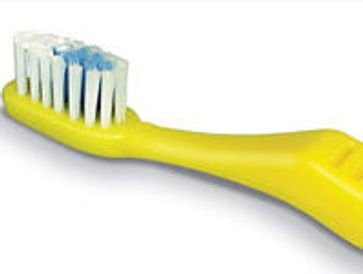
Use a toothbrush with a small head and soft bristles.
At
At first your baby may find it a bit strange but will soon get used to the soothing feeling.
Find a place that is comfortable and safe for baby. Always supervise toothbrushing and never leave a baby or small child alone with a toothbrush or toothpaste.
Use a toothbrush with a small head and soft bristles.
At home, encourage healthy habits and use a toothbrush and toothpaste containing at least 1,000 parts per million (ppm) fluoride.
For children under 3 years of age use a smear of toothpaste on the brush.
A growing child needs teeth to smile and eat with, and to give them confidence. Establishing a good oral care routine from early childhood is important and can be supported by parents and carers.
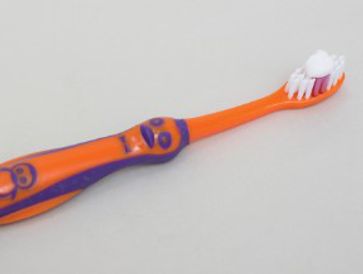
Use a toothbrush with a small head and soft bristles.
For children aged 3 years and above, use a pea sized amoun
A growing child needs teeth to smile and eat with, and to give them confidence. Establishing a good oral care routine from early childhood is important and can be supported by parents and carers.
Use a toothbrush with a small head and soft bristles.
For children aged 3 years and above, use a pea sized amount of toothpaste containing at least 1,000 parts per million (ppm) fluoride.
Brush teeth and gums at least twice daily, in the morning and last thing at night.
As more teeth come through, it is important to develop a system of brushing that ensures that all surfaces of the teeth are brushed thoroughly each time.
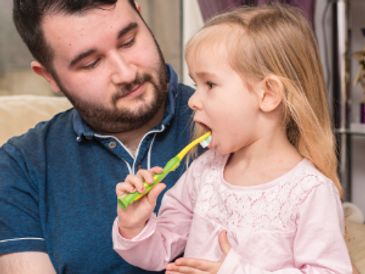
Children should be supervised whilst brushing until they can brush independently.
Children should be encouraged to do some of the brushing themselves so that they develop toothbrushing skills. Remember to encourage your child. Praise will often get results.
Use a toothbrush with a small head and soft bristles.
Children should be supervised whilst brushing until they can brush independently.
Children should be encouraged to do some of the brushing themselves so that they develop toothbrushing skills. Remember to encourage your child. Praise will often get results.
Use a toothbrush with a small head and soft bristles.
For children aged 3 years and above, use a pea sized amount of toothpaste containing at least 1,000 parts per million (ppm) fluoride.
Brush teeth and gums at least twice daily, in the morning and last thing at night.
It is preferable to wait at least 30 minutes following eating or drinking, however we appreciate this is not always possible, it is always better to brush your teeth than not.
Establishing a routine is key.